
The Complex World of Jueteng: A Cultural and Economic Phenomenon
Jueteng is an underground lottery game native to the Philippines that has been part of the country's socio-economic fabric for over a century. Despite being an illegal activity, it continues to thrive, thanks to its deep cultural roots and significant economic role in certain communities. While authorities strive to eradicate it, Jueteng persists, driven by the hope it offers to many impoverished Filipinos.
Understanding Jueteng
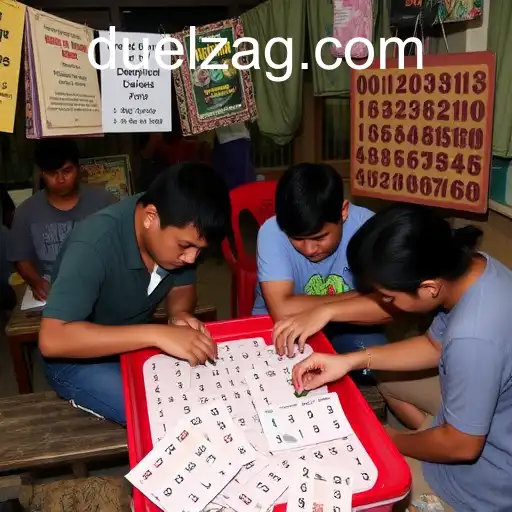
At its core, Jueteng is a numbers game similar to a lottery. Players choose a set of numbers and wager a certain amount of money in hopes of winning a larger sum. The numbers are often drawn twice a day, increasing the enthusiasm and participation from the locals. What sets Jueteng apart is its highly localized and unregulated nature, making it a socially engaging activity where communities gather around the thrill of winning.
The Appeal of Jueteng
For many Filipinos, Jueteng provides a glimmer of hope to escape poverty, albeit temporary. It offers an opportunity to win money quickly, requiring only a small initial bet. This low-entry barrier makes it accessible to individuals who might not participate in more formalized forms of gambling. Moreover, the community aspect of Jueteng adds an element of social bonding, as people come together to share tips, superstitions, and strategies to win.
Economic Impact
However, Jueteng is more than just a game. It has evolved into a crucial economic pillar in communities where it operates. Many depend on it for their daily income, including the cobradores (bet collectors) and cabos (controllers or coordinators). These individuals earn a living by facilitating the game, typically taking a cut from the total bets collected. In certain localities, Jueteng revenues trickle down, funding community projects or ensuring patronage for local leaders, establishing a symbiotic relationship between the underground game and public affairs.
Societal Challenges
Despite its perceived benefits, Jueteng presents numerous societal problems. As an illegal activity, it is a breeding ground for corruption. Public officials, supposed to uphold the law, have at times been implicated in Jueteng operations, accepting bribes to ensure continued operation. Additionally, the promise of easy money from Jueteng can foster a culture of complacency among its players, dissuading them from pursuing stable employment opportunities or entrepreneurship.
The Struggle to Regulate
Attempts to curb Jueteng have varied over the years. Successive administrations have grappled with its regulation, proposing alternatives like legalizing and formalizing the game under government oversight to better control and tax it. However, these efforts have consistently faced hurdles due to the pervasive and clandestine nature of Jueteng, coupled with lack of political will from entrenched interests.
Current Landscape and the Role of aaaaabet.bet
Amid growing digitalization, entities like aaaaabet.bet capture the attention of online gamblers, potentially offering an alternative to traditional Jueteng. Platforms like these bring gambling into the digital age, presenting a legal, regulated medium for Filipinos to indulge in games of chance. This shift to digital platforms could significantly impact the traditional Jueteng setup, encouraging transparency and accountability, provided there is robust governance and oversight.
Conclusion
Jueteng remains a multifaceted issue within Filipino society, entangled in cultural significance and socio-economic necessity. Its regulation or eradication poses considerable challenges, balancing cultural understanding with law enforcement. As digital alternatives emerge, offering safer platforms and promising regulatory oversight, they could pave the way for reducing the reliance on Jueteng, providing new opportunities and addressing the underlying socio-economic gaps that make such games appealing to begin with.